




Kindergarten 3: A Whimsical Odyssey of Creativity and Strategy
Overview and Initial Impressions
Kindergarten 3 is a surprisingly engaging title that invites you to explore a unique blend of imagination, quirky humor, and intricate mechanics. The game offers an experience that goes far beyond what you might expect from a title labeled with a seemingly simple name. Drawing on a wealth of experience as an avid gamer, I realized from the onset that Kindergarten 3 breaks down conventional boundaries while offering you the chance to challenge your creative side. Far from being just a nostalgic throwback, it opens a new chapter in interactive storytelling and gameplay.
The Intricate World of Kindergarten 3
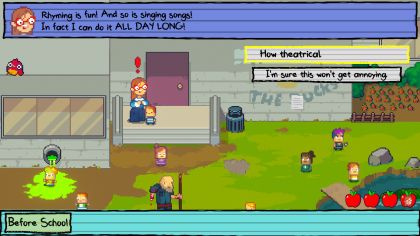
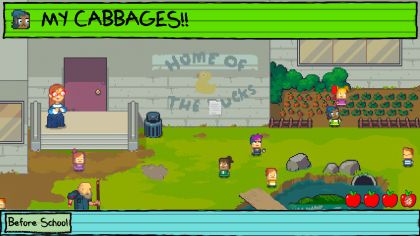
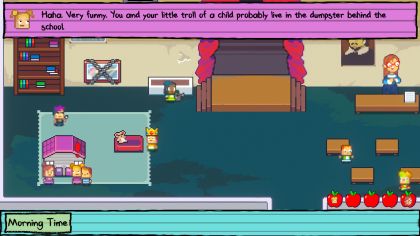
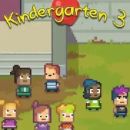
At its core, Kindergarten 3 is a narrative adventure where every decision and interaction seems to build a world that is both unpredictable and engaging. The game sets the stage in what appears to be a childlike environment but quickly reveals layers of complexity beneath its visual simplicity. The art style is deliberately cartoonish yet detailed enough to capture subtle emotions and dynamic animations that breathe life into every scene. It’s a feeling reminiscent of influences coming from both independent developers and established studios that value originality.
The narrative is non-linear, providing assorted paths for exploration that keep you on your toes. Decisions affect not only the mood and storyline but can also change the environment or the behavior of in-game characters. The subtle depth found within the game’s design encourages you to dive deeper into each interaction, rewarding thoughtful exploration and experimentation. Whether you intend to play casually or dissect every nuance, Kindergarten 3 offers layers that can satisfy both types of audiences.
Gameplay Mechanics and Features
The mechanics blend adventure with puzzle-solving and a touch of strategy. Managing resources, solving quirky puzzles, and maintaining relationships with oddly complex characters are just a few of the tasks you’ll undertake. The game allows you to download additional content to enhance your experience further, making it an ever-evolving playground for enthusiasts who thrive on variety. You can also install mods created by a passionate community, which serve up fresh challenges and creative twists to an already vibrant game world.
Moreover, the design encourages replayability by offering multiple solutions to each challenge. Unique customization options let you play in various styles, meaning that no two gameplay sessions are ever identical. Whether you prefer to tackle challenges head-on or explore the game’s universe more passively, there’s ample freedom to experiment without restrictions. For those who enjoy testing the boundaries of gameplay through cheats and mods, Kindergarten 3 provides a subtle nod to the more adventurous gamers, while ensuring that the primary experience remains balanced and enjoyable.
Visuals and Audio—A Feast for the Senses
Visually, Kindergarten 3 is a delightful blend of nostalgic simplicity and modern flourish. The graphics are crisp and thoughtfully composed, using color palettes that evoke both familiarity and surprise. Each level feels like a chapter in a living storybook, where gentle humor and spontaneous surprises sit side by side with moments of genuine introspection. The use of imaginative design elements and detailed backdrops invites you to download and install various visual mods that tweak the game’s ambiance to your personal taste.
Complementing the visuals is the audio design, which plays an equally crucial role in setting the tone. The soundtrack weaves together playful themes with more reflective melodies, ensuring that every scenario is enhanced by sound. The sound effects add another layer of immersion, with ambient noises and character sounds carefully crafted to match the evolving narrative. Even in moments of intense gameplay or quiet introspection, the precise use of audio effectively guides your emotions and builds a compelling atmosphere.
The Role of Strategy and Decision Making
One of the standout features of Kindergarten 3 is the balance it strikes between freeform exploration and guided objectives. Rather than offering a completely linear path, the game challenges you to think critically about how you approach puzzles and interact with its dynamic characters. Much like a chess game, each move has potential consequences that ripple across the game’s narrative landscape. As you progress, the game willingly allows you to select options that can alter your experience, whether through direct confrontation of obstacles or by taking a more strategic approach.
The availability of cheats and mods plays a supportive role here as well. For those finding a particular challenge too difficult—or simply wanting to experiment with different approaches—the option to apply game modifications is a welcome addition. These features provide an effective balance, ensuring that the game remains challenging yet accessible enough for various skill levels. This flexibility encourages players to experiment, learn, and ultimately find innovative ways to achieve their in-game goals.
Community and Multiplayer Aspects
While Kindergarten 3 shines as a single-player experience, it also incorporates social and community elements subtly woven into its fabric. The game offers periodic online events where players can cast their votes on storyline directions or propose fresh mods that reflect the community’s collective creativity. Players can share tips on which mods optimize the gameplay, allowing each session to be a blend of personal discovery and communal innovation.
The developer’s commitment to ensuring the game remains free for newcomers contributes significantly to its broad appeal. You can play the core version without spending a cent, knowing that additional paid content is optional. This free-to-play model, combined with frequent updates and the community’s creative contributions, transforms each update into a fresh invitation to explore and experiment.
Navigating the Unexpected Challenges
No game is without its occasional hiccups, and Kindergarten 3 is no exception. In some instances, the depth of the interactive storytelling might feel overwhelming, particularly for those initially drawn by the game’s playful presentation. The learning curve may be steep for new players who are unfamiliar with games that balance complex narrative threads and puzzle-solving elements. However, this very complexity is what elevates the experience from a simple pastime to a full-fledged intellectual adventure.
For experienced gamers, these challenges offer opportunities to leverage familiarity with similar game mechanics seen in other innovative titles. The carefully crafted puzzles and narrative puzzles provide fertile ground for experimentation with cheats and mods that ultimately enhance the gameplay and make each session a new learning experience. In this way, Kindergarten 3 stands as both a test of skill and a platform for creative exploration.
User Interface and Controls
The interface in Kindergarten 3 is intuitive and attractive. It blends the simplicity of traditional menus with the dynamic elements required by its more complex sections. The well-organized menu system gives you quick access to mods, cheat options, and various gameplay modes, making it all the easier to install and configure according to your preference. Even if you are exploring the game on restricted setups, such as school or work environments, the streamlined controls ensure that you can navigate with relative ease.
Navigation within the game has been meticulously designed to avoid overwhelming you with excessive details. Each interaction employs well-thought-out visual cues and on-screen prompts, ensuring that you always know how to proceed. Whether you decide to tweak your controls or revert back to default settings, the interface stands as a testament to user-centric design. Additionally, options to download extra visual or audio packs from various online repositories keep the experience fresh and customizable.
Replayability and Longevity
A hallmark of Kindergarten 3 is its outstanding replay value. The game is structured in such a way that every choice feels consequential, opening up multiple outcomes and diverse narrative paths. This non-linear design means that every time you embark on a new session, you’ll likely experience something different. The sheer freedom to explore side stories, experiment with mods, and even apply cheats to see alternate results ensures that the gameplay remains engaging over long periods.
The developers have also built in a robust system for user-generated content. This means that after you download additional mods or cheats, new layers of interaction continually renew interest in the story. Whether you are solving puzzles or forging alliances with memorable characters, every experience feels tailored to your style. Even casual exploration can lead to surprising insights, proving that the game is both an art form and a playground for strategic minds.
Final Thoughts and Verdict
Kindergarten 3 is an innovative and robust title that pushes the boundaries of traditional gameplay while maintaining a charm that is both inviting and engaging. Its layered narrative, flexible gameplay mechanics, and emphasis on community-created content make it stand out in a competitive market. With its support for mods, cheats, and a free-to-play model, the game appeals both to dedicated veteran gamers and those new to the imaginative side of interactive storytelling.
In summary, Kindergarten 3 is a triumph of creative design that never hesitates to reinvent itself in unexpected ways. Whether you decide to play for a short period on a break or immerse yourself in a prolonged gaming session at home, the game is accessible across various platforms and even offers unblocked access for environments with strict security measures. The opportunity to download additional content, install fresh modifications, and apply creative cheats further enriches the overall experience. For a game that balances light-hearted humor with serious gameplay challenges, Kindergarten 3 stands as a must-play experience for every gamer seeking authenticity, strategy, and innovation in one engaging package.
How to Download Kindergarten 3
Kindergarten 3 is available for download on multiple platforms. Whether you are interested in the PC, Mac, Android, or even older systems, you can find versions suited to your device. To start, head over to the official website where you can download the file free of charge. The game supports cloud-based play for some devices, while other platforms may require you to install using a standalone installer.
For PC and Mac users, download the installer and run through the automated setup. Android users can find the game on the Play Store or via direct download from trusted emulators if necessary. The basic installation process involves following on-screen prompts until the game is fully installed. Minimum system requirements are modest: for PC, a dual-core processor with 4GB RAM and integrated graphics; for Mac, a similar specification; and for Android, version 5.0 or above with a stable internet connection.
The game also supports cheats and mods, which are available from various community sites. While these additions can enhance or alter gameplay, always use them wisely to maintain the intended balance. Finally, Kindergarten 3 can be played unblocked in environments with strict restrictions, making it perfect for casual gaming during breaks in school or work. Enjoy exploring the delightful ingenuity of Kindergarten 3 as you delve into its uniquely layered universe.
Pros
- Unique blend of creative puzzles and compelling characters that add depth to the experience.
- Robust support for mods, cheats, and community-created content enhances replayability.
- High level of customization with intuitive interfaces and adaptable controls.
- Free-to-play model with optional paid content makes it accessible to a wide audience.
- Regular updates and community-driven events create a dynamic and evolving game environment.
- Engaging narrative with non-linear storyline choices that keep gameplay fresh.
Cons
- The overwhelming number of options and choices can occasionally make decision-making confusing.
- Lower-end devices might experience performance issues due to the game's detailed graphics and mechanics.
- The steep learning curve may discourage new players who are not used to complex puzzles.