Halloween: The Game Review — Atmosphere, Tension, and Rough Edges
Nov 16, 2026
Halloween: The Game arrives with the weight of a legendary horror name on its shoulders, and that alone makes every flaw feel louder than usual. The promise is easy to understand: step into the foggy streets of Haddonfield, feel the pressure of being hunted, and either outsmart the Shape or become the nightmare stalking the night. In practice, the game delivers a mixed experience that swings between inspired and rough-edged. Its strongest moments come from the atmosphere, the clothing, the soundtrack touches, and the simple thrill of moving through a neighborhood that looks lifted from a classic slasher fever dream. Its weakest moments are tied to repetition, uneven polish, and a structure that can feel too slight for the material it is built on. What remains most memorable is the tension between an iconic concept and the unfinished feeling of its execution.
Haddonfield’s Halloween Mood
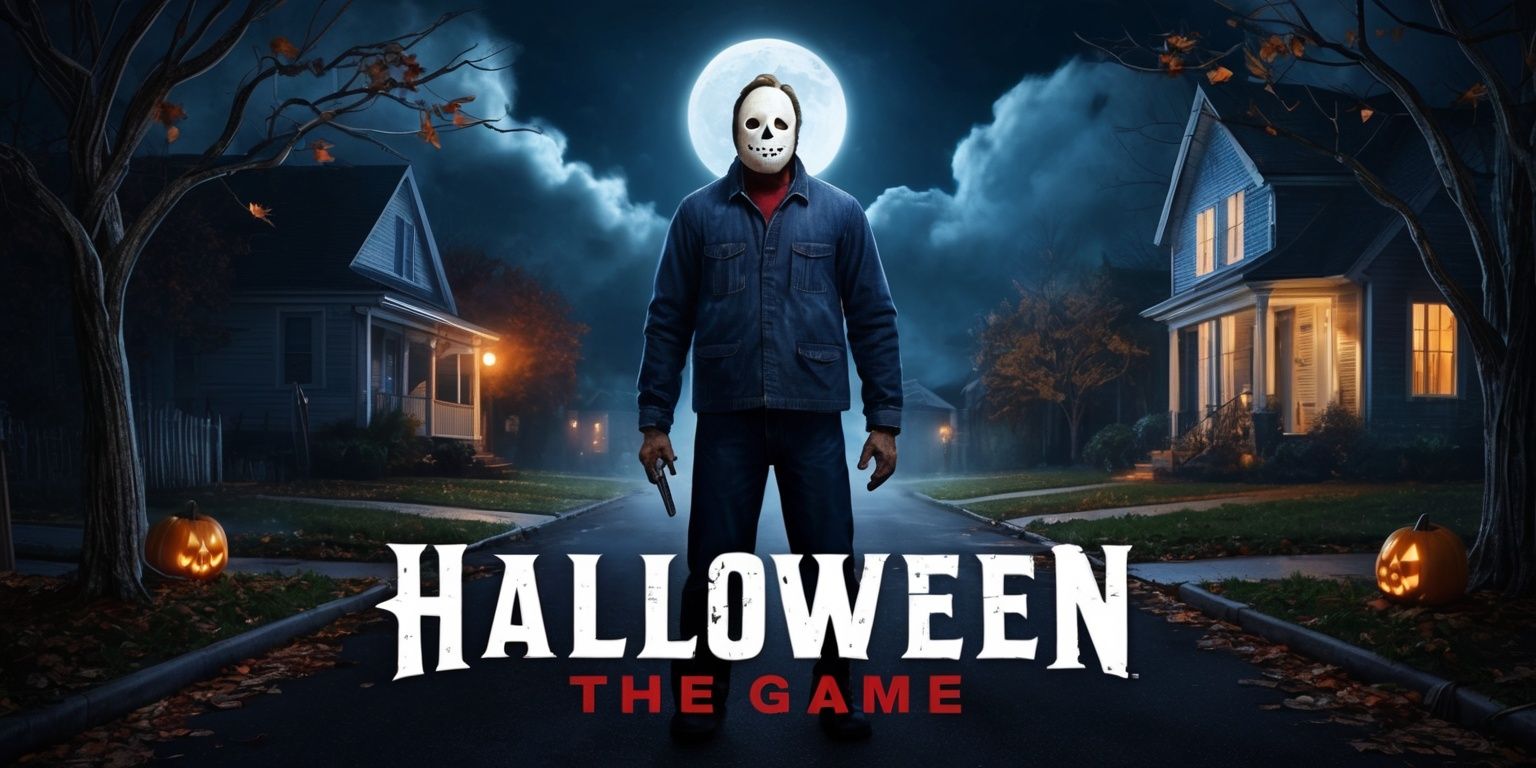
The most immediate strength of Halloween: The Game is the way it frames its setting. Haddonfield is staged as a quiet suburban maze where every porch light, driveway, and living room corner seems designed to raise suspicion. The neighborhood has a lived-in quality that gives the game personality from the first minute. Instead of leaning only on darkness and jump scares, it uses ordinary locations to create unease. A kitchen feels threatening. A hallway feels narrow. A front lawn feels exposed. The result is a space that appears safe at a glance but constantly reminds you that safety is temporary. Even when the mechanics stumble, the visual design keeps the mood intact, and that matters in a horror game where atmosphere is half the experience.
The Shape at a Slower Pace
Playing as Michael Myers is the game’s most distinctive feature, even if his movement speed initially feels deliberately frustrating. He does not sprint, and that choice changes the way every encounter works. Instead of chasing like a standard action villain, he advances with a measured, heavy rhythm that makes positioning matter far more than raw pursuit. The tension comes from anticipation rather than speed. You are encouraged to approach from darkness, control the nearby environment, and use the map itself as part of the threat. That method gives Myers an identity that fits the source material. He feels less like a brawler and more like a force that quietly occupies the space around his targets, waiting for them to make the wrong decision.
Survivor Play and Quiet Survival
As a civilian, the game shifts into a stealthier, more improvisational style. You gather supplies, listen for danger, and try to navigate a map that is always a little more hostile than it first appears. Movement is careful and deliberate, particularly when you're attempting to monitor of both human teammates and AI-controlled allies. The core loop involves opening routes, locating useful tools, and deciding when to cooperate and when to slip away into the darkness. It is a structure that can be tense and rewarding when the match is flowing well. The best moments come from those tiny decisions: whether to warn another character, whether to keep searching a house, whether to risk drawing attention by staying in one place too long.
Tools, Items, and Small Survival Tricks
Item management gives the multiplayer side of the game some much-needed texture. Scattered around homes and streets are practical and improvised objects that help stack the deck in your favor. You can find keys, bolt cutters, and various helpful supplies that open routes or create short windows of safety. There are also defensive tools that can interrupt Myers long enough to buy a little breathing room. The system works because it supports quick decisions instead of complicated loadouts. You are rarely building a perfect plan. You are making do with what the house provides. That makes the scavenging feel appropriately scrappy, as if the neighborhood itself is being picked apart by frightened people trying to survive one more hour of the night.
Light, Shadow, and the Killer’s Edge
Michael Myers is most compelling when he game leans into darkness as a mechanic rather than a visual theme. His abilities revolve around controlling visibility and exploiting shadows, and that delivers some of the game's most rewarding moments. Snuffing out lights, slipping between dim corners, and sensing nearby civilians all work together to give the killer a sense of predatory awareness. The ability set is not flashy in a superhero way; it is practical, eerie, and thematically strong. When everything clicks, the map starts to feel like a trap laid out in advance. The player on the other side can sense the danger, but the danger is already too close to ignore.
Animation Problems and Rough Edges
Even after updates, the game carries a noticeable amount of technical awkwardness. Some animation work appears smoother than it did at launch, and crashes seem less frequent, but the roughness still shows in ways that are hard to ignore. Characters may seem misaligned with the ground, interactions can look slightly off, and various actions sometimes feel detached from the space they happen in. Door handling is one example of how the game can undermine itself: a character may enter, close things behind them, and then end up in a strange position that breaks the flow of play. These issues do not always ruin a session, but they constantly remind you that the experience is more brittle than it should be.
The Single-Player Path
The solo campaign is an interesting idea that never fully grows into its potential. On paper, it gives players a way to explore Myers’ perspective without relying on a full lobby, and it also offers a fallback for anyone waiting for friends to join. In practice, the missions feel more like extended lessons than a true standalone mode. The levels are short, the spaces are familiar, and the structure repeats itself quickly. There is some narrative framing around Myers and the events of Haddonfield, but the presentation is brief and uneven. It functions better as a guided tour through mechanics than as a meaningful story mode. Several missions are over before they have time to create a real rhythm.
NPC Behavior and Unplanned Comedy
One of the most strikingly inconsistent parts of the game is the behavior of non-player characters. They can be useful in theory, but in practice they often act in ways that seem strangely detached from danger. At times, they remain clustered together in a room as if they are waiting for instructions that never arrive. In other moments, they delay movement in ways that make the entire situation feel absurd. This can accidentally create a bizarre kind of dark comedy. The horror tone is still present, but the behavior of the AI sometimes turns tension into disbelief. Rather than helping the world feel more alive, these moments can make it feel like everyone is following a script written by a very confused stage manager.
Balance Between Hunter and Hunted
The game’s best design idea may be its attempt to make both sides feel viable, even if they are not equally comfortable. Myers can be oppressive when his abilities are used well, but he is not simply a runaway force. His lack of sprinting means positioning and timing matter more than aggression alone. On the other hand, civilians are not helpless if they know the map and understand how to use tools, hiding places, and quick decision-making. The tension comes from the uneven information each side has access to. The killer is a looming presence, while the survivors must improvise under pressure. When matches work properly, that imbalance produces some genuinely tense exchanges. When the systems falter, the whole thing tilts too far in one direction.
Visual Style and Period Flavor
If there is one area where Halloween: The Game consistently feels confident, it is the recreation of its era. The homes, vehicles, and everyday props are filled with 1970s flavor, and the fashion choices reinforce the time period beautifully. Bellbottom jeans, platform footwear, tank tops, wide collars, and big hair all contribute to a strong visual identity. Rotary phones, interior decor, and neighborhood layouts help sell the setting further. This attention to period style does more than decorate the screen. It deepens the vulnerability of the environment. The world looks ordinary in a way that makes the horror sharper, because it is built from familiar details rather than exaggerated fantasy pieces. The game understands that the clean look of a suburban street can be far more unnerving than a gothic ruin.
Suspense, Waiting, and Spectator Time
One of the more unpleasant aspects of the experience is being forced to wait after falling early in a match. Spectating is padded with quick-time prompts, but they appear often enough to become irritating instead of engaging. The system seems designed to keep eliminated players involved, yet it can feel more like busywork than participation. If a match runs long, being stuck on the sidelines becomes a test of patience. That frustration is amplified when another player deliberately extends the round just to toy with spectators. A later option allows fallen civilians to return as police officers, which is a smarter use of waiting time and adds a welcome twist. Even so, the spectating flow still feels like one of the game’s weaker ideas.
Sound Design and Tension Cues
The audio work supports the horror better than many of the mechanics do. The music references the classic mood effectively, and the rhythmic piano touches help place the action in a recognizable slasher space. Environmental sounds matter too. Doors, footsteps, distant movement, and the low hum of a nearby threat all help keep players alert. The soundscape is not overloaded with noise. Instead, it leaves room for silence, which makes sudden events land more effectively. This restraint helps the game feel scarier than its technical shortcomings might suggest. Even when the pacing slows, the audible cues keep the player gently uneasy, which is exactly what a Halloween game should be trying to do from the start.
Why the Concept Still Matters
There is a strong game hidden inside the current version of Halloween: The Game, and that is what makes its shortcomings more disappointing. The foundational idea is excellent: one of horror’s most recognizable figures in a suburban hunt where every room and hallway can become part of the chase. The development team clearly understands the appeal of asymmetrical horror, and there are moments where the design aligns with the fantasy almost perfectly. Myers feels dangerous in all the right ways, the setting carries genuine style, and the survivors have just enough tools to make each round uncertain. The problem is that the game repeatedly undercuts its own strengths with repetition, limited variety, and rough implementation, leaving the strongest ideas visible but not fully realized.